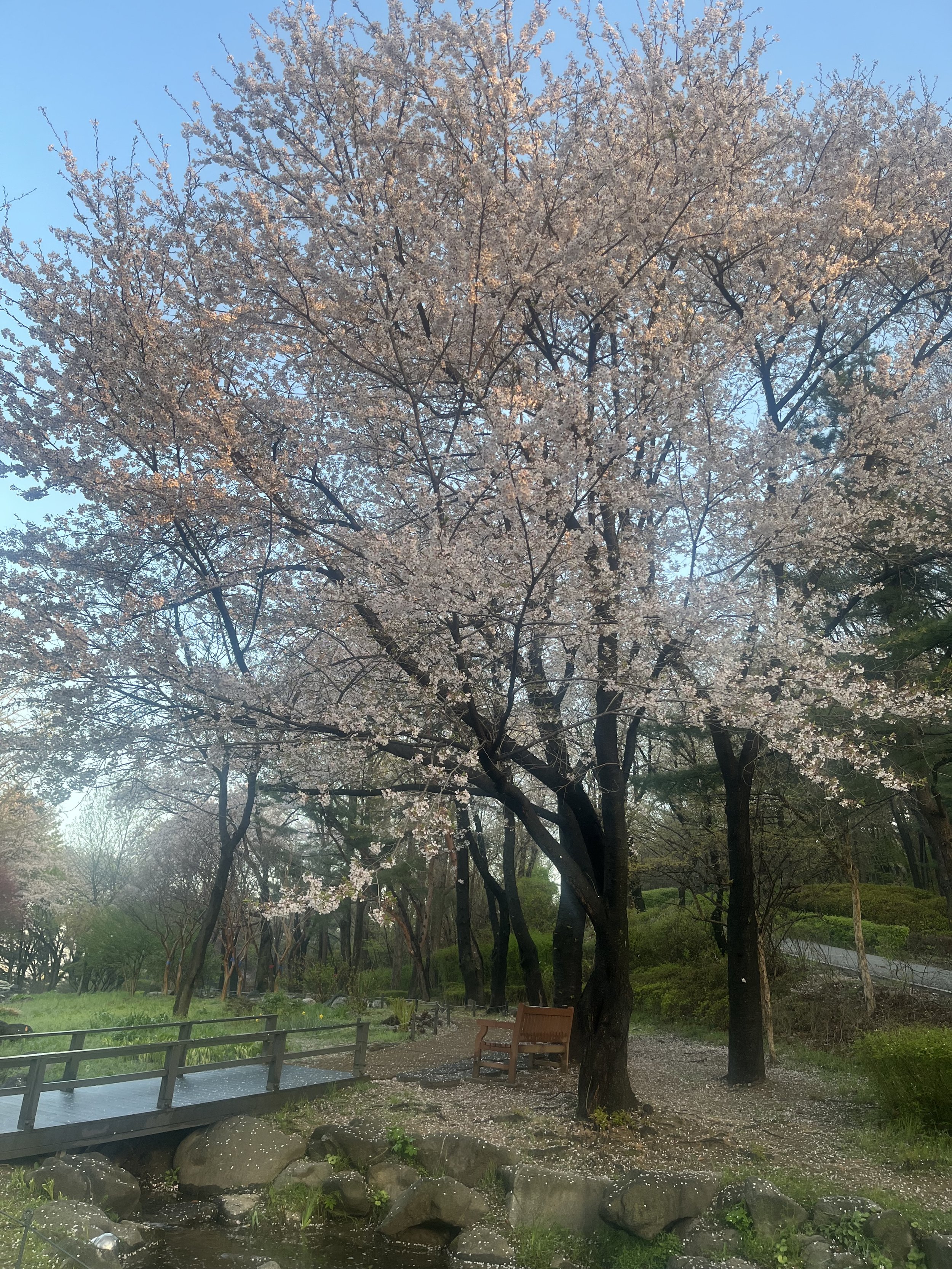
One of the first things I tell people when they ask what living in Seoul is like is how . . . Korean it is. Although of similar size to my last two addresses, London and New York, it is far less diverse. Cursory research suggests Seoul’s non-native population is (much) less than 10 percent, whereas the percentage in the other two cities is pushing 40.
I consider diversity a strength, but there are advantages to living somewhere that is less so. (To be very clear, there are also disadvantages.) East Asia is famously safe and clean, which I think owes to the fact that an overwhelming majority of people here approach life with a shared understanding, i.e. it is a “high-context” society, a term I have recently learned.
As someone who writes headlines for a living, I appreciated how succinctly that sentiment was captured in a recent episode of the Korean. American. podcast, which I’ve listened to since moving to Seoul a little more than two years ago. The guest was also an American transplant to Korea, if much more recently, who described the difference between Korea and the U.S.:
“I think that there is something good to be said for thinking of people outside of yourself, for thinking more about the we than the me . . . My country . . . there’s such a lack of grace or understanding. And I think a lot of it comes because people are like, I'm right, or this is my thought and my opinion, without thinking about how even just you sharing that affects other people in your circle that you claim to love.”