“. . . there was no golden era when evildoers did their business and loudly proclaimed it as such.”
— Ta-Nehisi Coates, “Between the World and Me”
Your Custom Text Here
— Ta-Nehisi Coates, “Between the World and Me”
— Ann Patchett, “Bel Canto”
— Devorah Blachor, McSweeney’s, 25 Aug. 2017
I am Michelle Jones.
— Corinne Purtill, Quartz, 21 July 2017
(For the record, we don't have a combination washer-dryer and have heard enough criticism to never buy one.)
— From the obituary of Bill Walsh, The Washington Post, 15 March 2017
Bill was one of the finest — and funniest — editors I’ve ever had the pleasure of working with. He died last week at the age of 55.
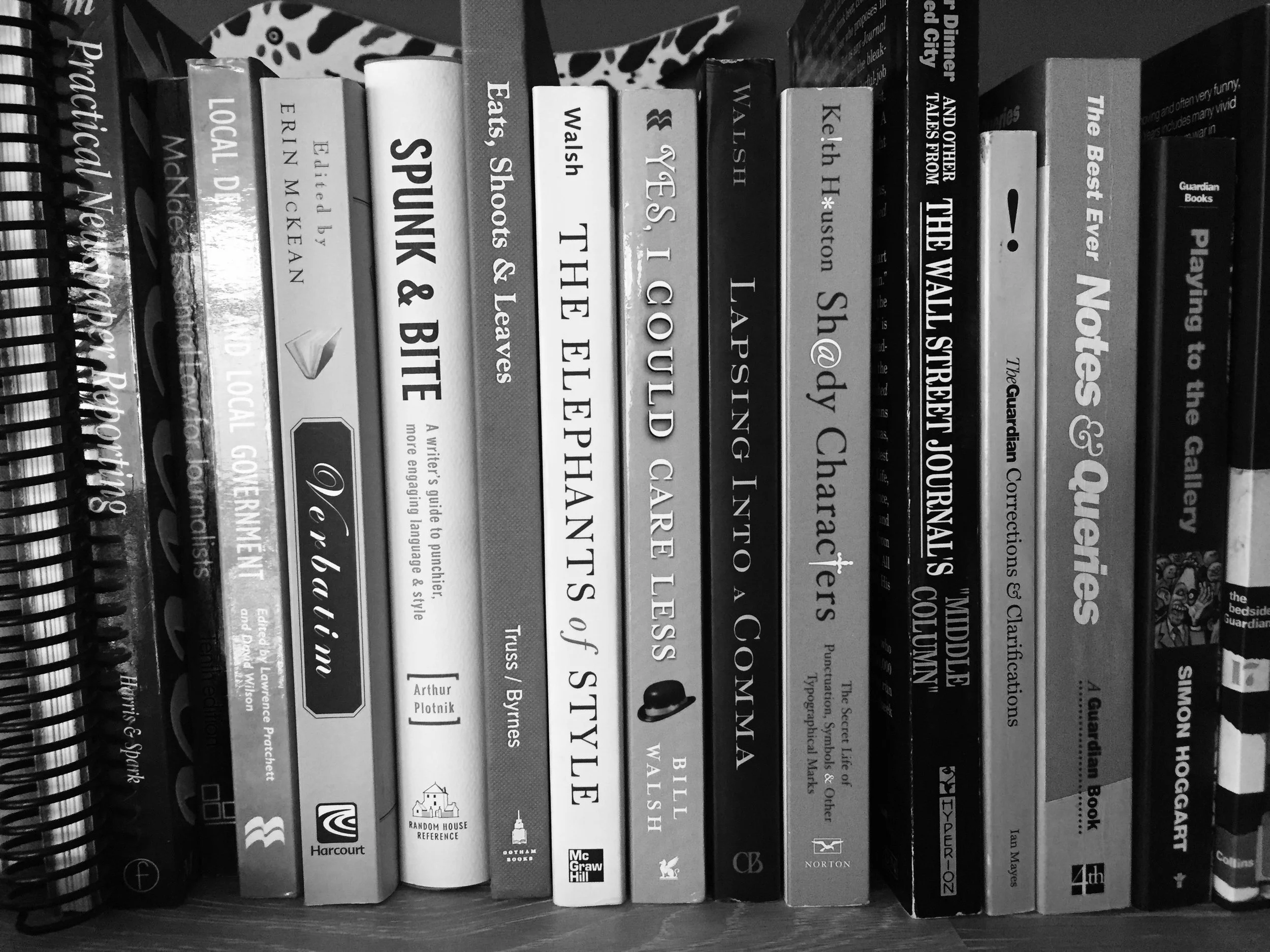
Also see: Linda Holmes’s appreciation over at NPR; and Bill’s own longtime site about copy editing: The Slot.
There were two metaphors that stuck with me after this week’s class.
First, when discussing the concept of enlightenment, the instructor advised, “Don’t focus on the finger. Focus on what the finger is pointing toward.”
Secondly, there was a discussion of Buddhism as a religion, and the things that separate it from other religions. (Those things are part of what has drawn me to study Buddhism.) One of my fellow students — clearly not as much a novice as me — suggested that, because Buddhism doesn’t have a creator a la Christianity or Islam, it’s less concerned with questions of how we got here. He related what may be a common story in the teaching of Buddhism: “It’s like getting shot in the arm with an arrow. You think less about who shot the arrow and more about getting it out of your arm and healing your arm.”
— Amy Krouse Rosenthal, The New York Times, 3 March 2017
I’ve started an introductory course at the London Buddhist Centre; last night’s was the first of six meetings. I’ve been interested in Buddhism for a while, and became more serious about studying it after reading a book while on vacation last year. Its values — rationality, compassion, peace — appeal.
At one point last night, the instructor was asked, “How do you know you’re making progress?” She explained that, first of all, it’s generally frowned upon among practitioners of Buddhism to discuss the spiritual advances one makes. But if she had to articulate it — which she seemed at pains to do — she said that progress meant having a better understanding of what one doesn’t understand.
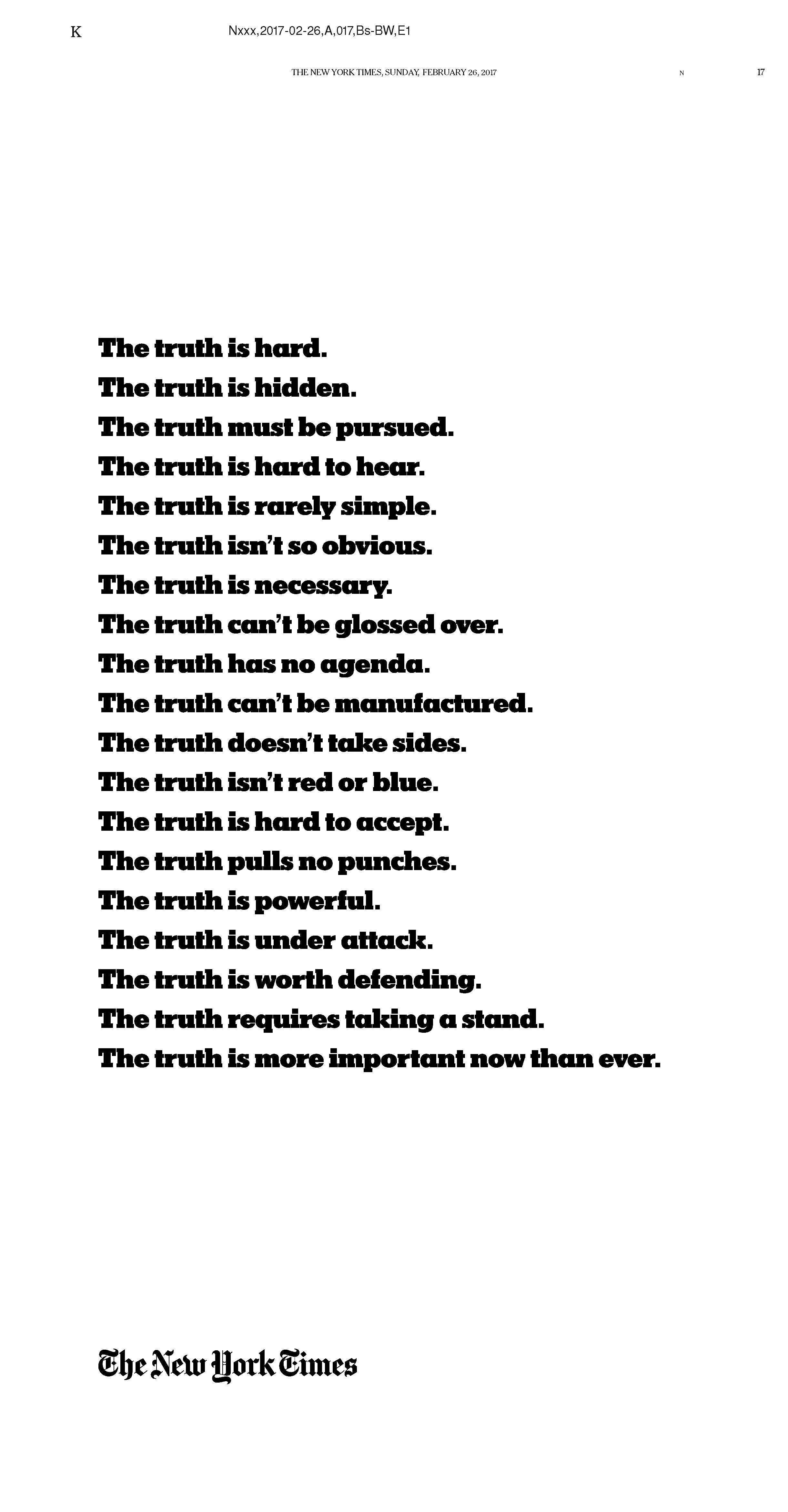
A full-page ad in Sunday’s print editions.
“Straight as an arrow, exasperatingly thorough, extremely earnest, smart, plain, pragmatic, wonkish. He was a stickler, a self-described curmudgeon.”
David Butler, an editor for Stars and Stripes, was beaten to death almost 17 years ago in Arlington, Va., on his way home after a night shift.
I was in D.C. at the time, and although I never met him, this remembrance has stuck with me, partly because of the horrific nature of the crime, which appears to remain unsolved. But in him I also saw — perhaps with some self-flattery and a touch of embarrassment — myself.
His work mirrored my own, hanging around “in case you have to tear up the front page for a nuclear explosion or the death of a princess.”
(Like him, I was in the newsroom on my 30th birthday, which was an election night. Like him, I was surrounded by pizza boxes. Unlike him, I was not in the company of a stripper.)
I was also well familiar with “those strange small hours, our 5 p.m., our quitting time, the world’s middle of the night” and could easily envision the circumstances in which he was killed.
I’ve recently been thinking about David because he sounded like most of the journalists I’ve worked with over a 22-year career in newspapers: dedicated, careful but human, and honestly trying to provide a fair and accurate account of the facts in an often messy world.
“He was, in short, everything you want in the guy who edits your newspaper.”
Plaza Mayor, Madrid. The sky in London never looks like this.
Carrie and I awoke on the morning of Saturday, 26 November, to the news that Fidel Castro, Cuba’s leader of nearly 60 years, had died at the age of 90. Later that day, we flew to Havana for a pre-planned vacation.


Pigeons bathing in a puddle in Fortune Street Park, London.
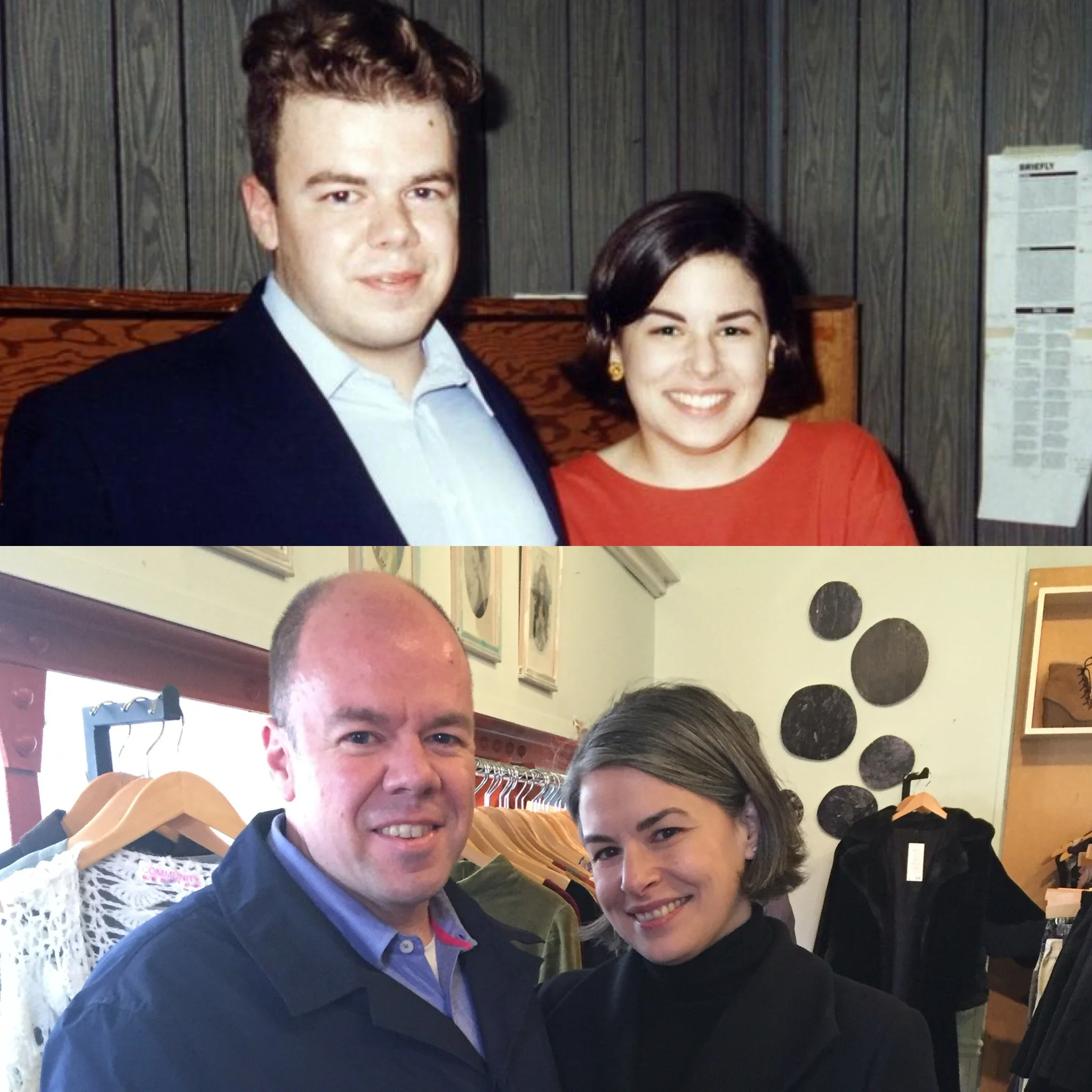
1994 and 2016 at the (now-former) office of The Red & Black, the student newspaper where we met.
— Jeremy Paxman, Empire
— Alain de Botton, The News: A User’s Manual
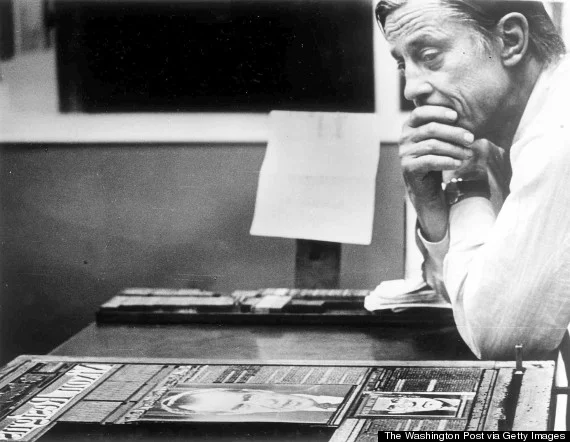
Ben Bradlee in the Post’s composing room with the front page of the first edition, headlined “Nixon Resigns.” on Aug. 8, 1974. Photo by David R. Legge/The Washington Post via Getty images
Of all of the inspiring words I’ve read about Ben Bradlee, the legendary Washington Post editor, in the days since he died, some of the most inspiring came from the man himself.
— Ben Bradlee, in a speech at the University of California, Riverside, on 7 Jan. 1997
“Nothing in God’s creation is ever as good as it once was, but The Washington Post is coming pretty close.”
— David Carr, The New York Times, 6 Oct. 2014
— Roger Cohen, The New York Times, 15 Aug. 2014